As the world shifts toward a greener future, the aviation industry is under pressure to reduce its carbon footprint. While hydrogen and electric vehicles are often in the spotlight, other solutions are paving the way for more sustainable aviation. This article explores how green energy and alternative fuels are shaping the future of air travel.
The challenge of aviation emissions
Air travel accounts for about 2–3% of global CO₂ emissions, and this number is expected to grow as demand for flights increases. Traditional jet fuel, derived from fossil fuels, is a major contributor to greenhouse gas emissions. To address this, the industry is turning to Sustainable Aviation Fuels (SAF) and other green energy solutions.
Sustainable Aviation Fuels
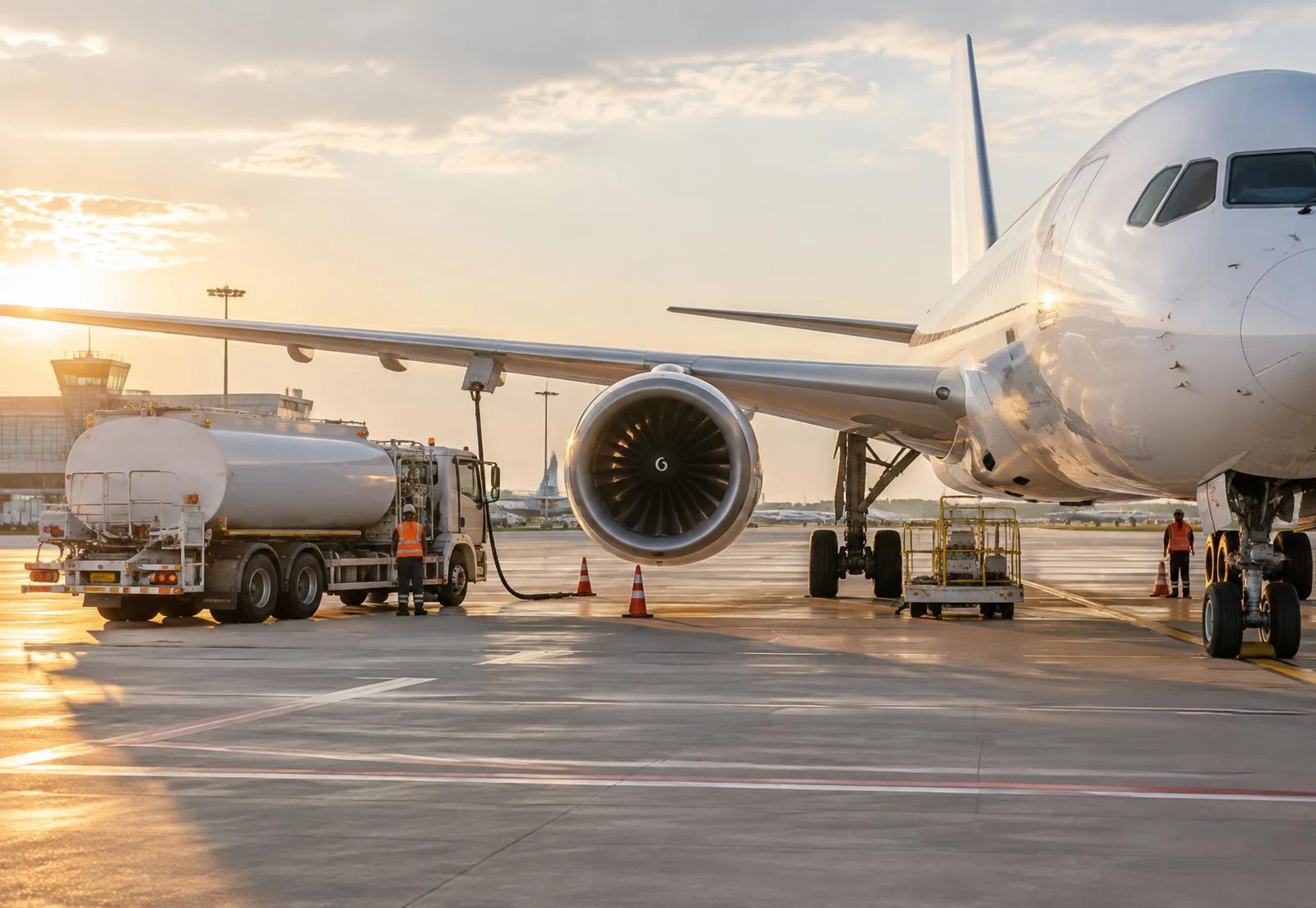
SAF are biofuels made from renewable sources like plant oils, agricultural waste and even algae. They are designed as drop-in replacements for conventional jet fuel, meaning they can be used in existing aircraft without modifications.
Types of SAF
- Biojet fuelsMade from crops like camelina, jatropha or used cooking oil.
- Waste-to-fuelProduced from municipal waste or agricultural residues.
- Synthetic fuelsCreated using renewable energy to combine CO₂ with hydrogen.
Benefits
- Reduced emissionsSAF can cut lifecycle CO₂ emissions by up to 80% compared to traditional jet fuel.
- CompatibilityThey work with existing aircraft and infrastructure.
- RenewableMade from sustainable sources, reducing reliance on fossil fuels.
Challenges
- CostSAF are currently more expensive to produce than conventional jet fuel.
- ScalabilityProduction levels are still limited, though growing; availability varies by location.
Other green energy solutions for aviation
- Carbon offsettingAirlines are investing in carbon offset programs, such as reforestation and renewable energy projects. While not a direct fuel solution, it helps mitigate the environmental impact of flying.
- Aerodynamic and engine efficiencyModern aircraft are designed with lighter materials and more efficient engines to reduce fuel consumption. Winglets and improved air traffic management also contribute to lower emissions.
- Solar-powered aircraftWhile not yet viable for commercial flights, solar-powered planes have demonstrated the potential of renewable energy in aviation for niche applications.
The road ahead
The aviation industry is committed to achieving net-zero emissions by 2050. Reaching this goal will require a combination of SAF, carbon offsetting and technological advancement. Governments, airlines and fuel producers are collaborating to scale up SAF production and make it more affordable.
SAF and efficiency improvements are leading the charge in air travel’s move toward a cleaner future.
The future of aviation lies in sustainable fuels and green energy solutions. By embracing these innovations, the industry can move toward a cleaner, greener future.